For decades, we have been pushed toward perfection.
We all want to be seen and appreciated by the people around us — but how often do we truly see and appreciate ourselves? How often do we quietly say: I’m proud of myself. I look beautiful today. For most of us, almost never. And when it does happen, we do it in secret — a private moment, hidden where no one can witness it. Because pride is a sin. Because being seen enjoying yourself invites criticism.
We live in a culture obsessed with self-improvement. There is always another layer to heal, another shadow to integrate, another version of ourselves to reach. This process is real and necessary — but at some point, a question arises: when do we stop digging and start living? When do we pause to look back at how far we’ve come, to celebrate what we’ve already built, to receive — from ourselves and from others?
For many women, that moment never comes. We fall into what I call the healing treadmill — always searching for what’s wrong, always moving toward the next retreat, the next course, the next therapist. We strike oil and keep drilling, never stopping to recognise what we’ve found.
And underneath all of it lives a quiet, persistent hunger: to be seen. Truly seen. Not evaluated, not fixed — simply witnessed.
I know this hunger from the inside.
For much of my life, I wore what I can only describe as a cloak of invisibility. I spoke little, asked for little, always listened, always adjusted. I hid my needs, my desires, my softness. I made myself easy to overlook — because invisibility felt safer than exposure.
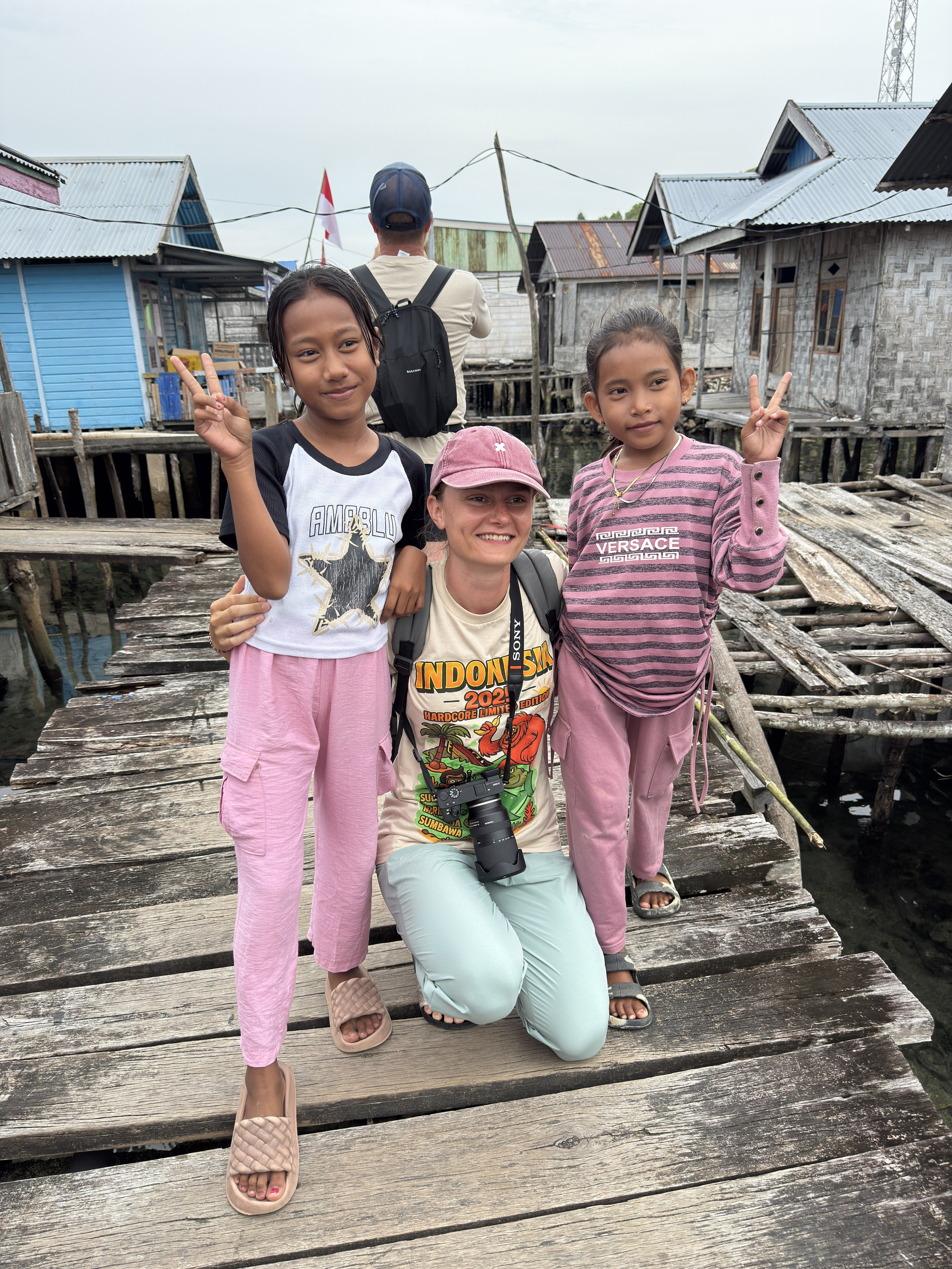
Then, in 2021, I found myself unexpectedly in Indonesia — ten thousand kilometres from home, wandering through an open-air village museum in Jakarta. A young local woman approached me and held out her phone. I reached to take it, assuming she wanted me to photograph her. Instead, she stepped back — and I realised I was suddenly surrounded by ten of her friends. Before I understood what was happening, photos were taken, thank-yous were given, and they were gone.
Standing there, I felt something shift. I am seen. I am appreciated. The cloak, for the first time in a long time, was gone.
This happened dozens of times over the following two months. Children, women, men — they approached me, wanted to be near me, offered compliments freely and without agenda. I received every one of them. And somewhere in that receiving, something healed.
That is how I came to understand the therapeutic power of photography. Not as a theory — but as something I lived.
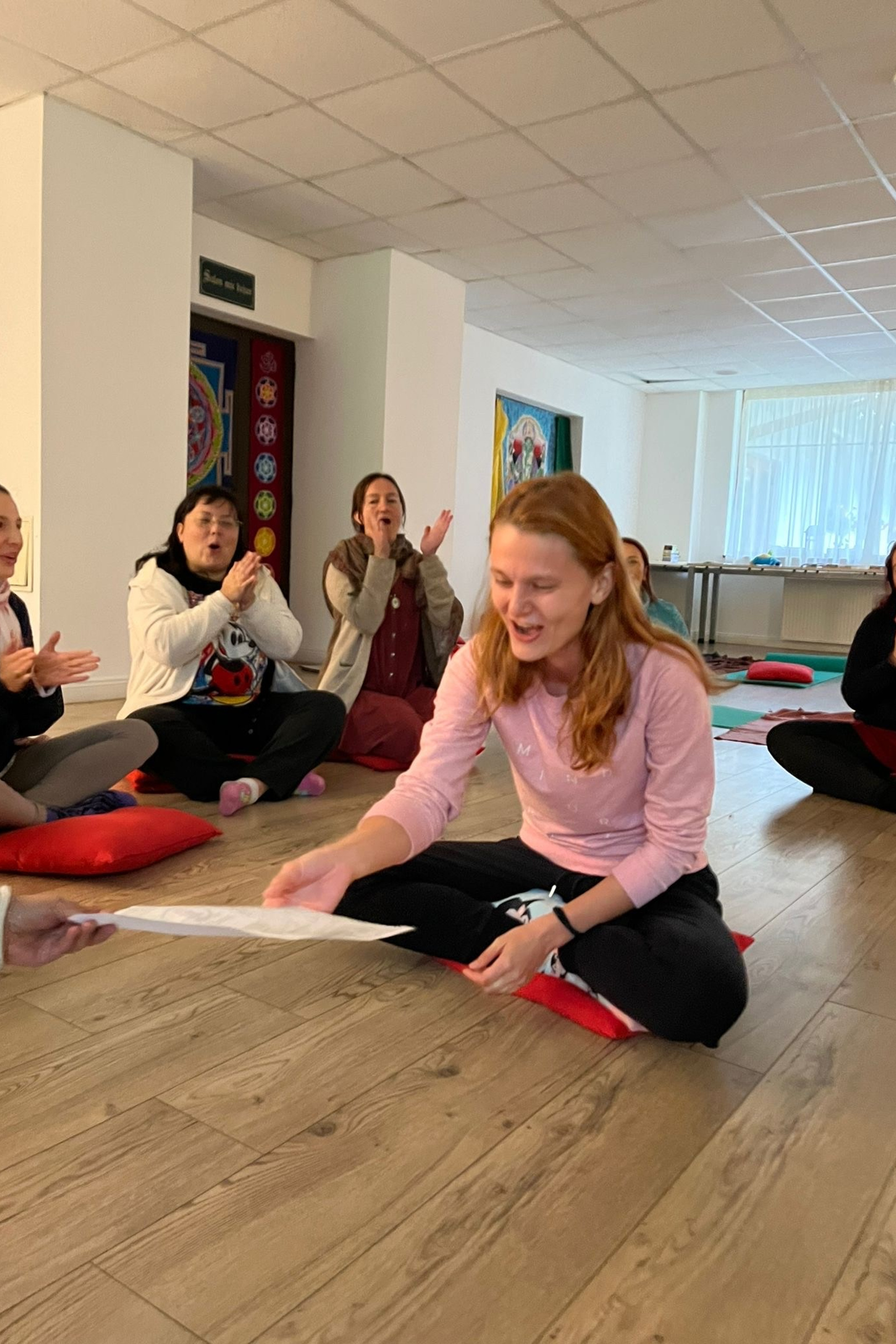
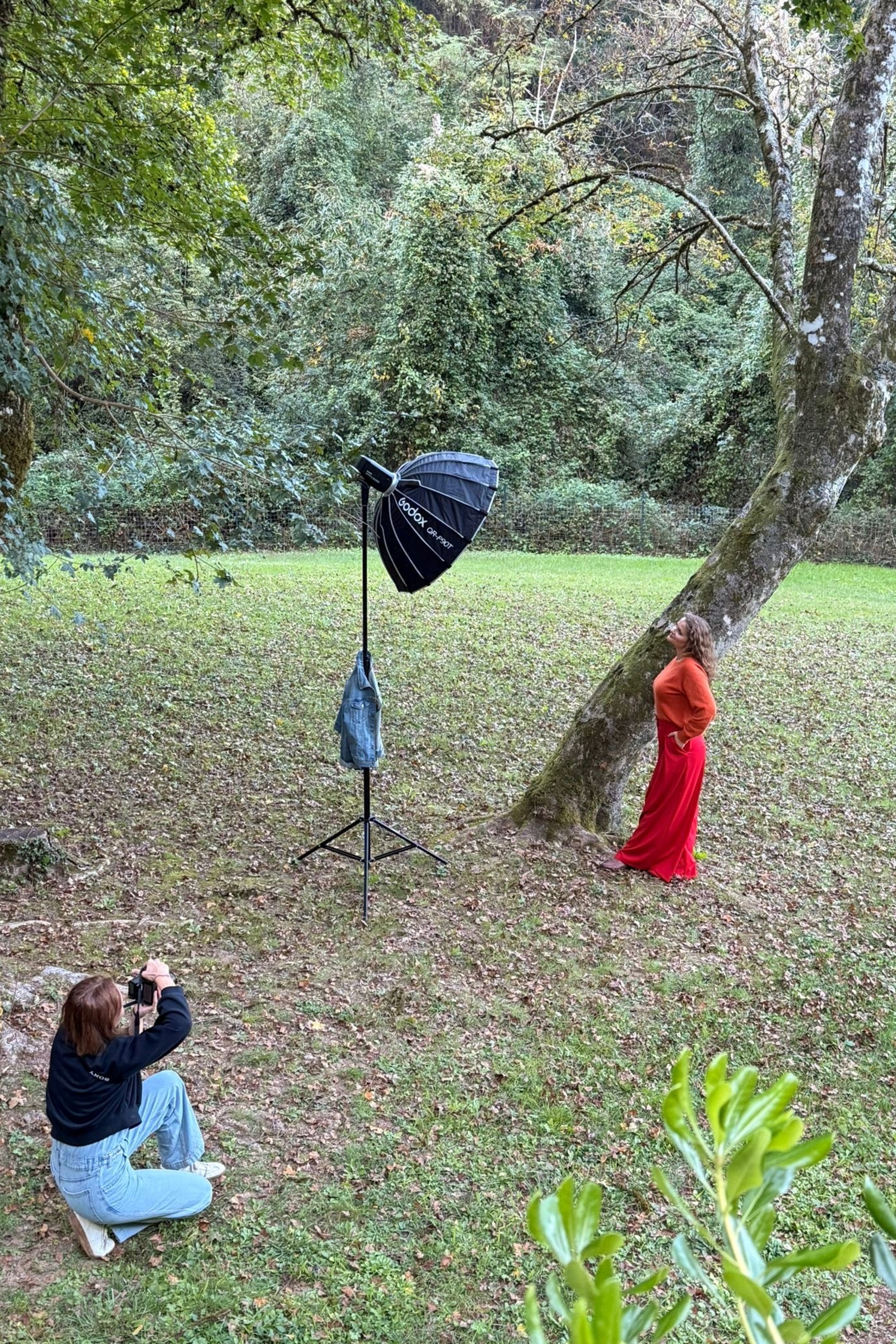
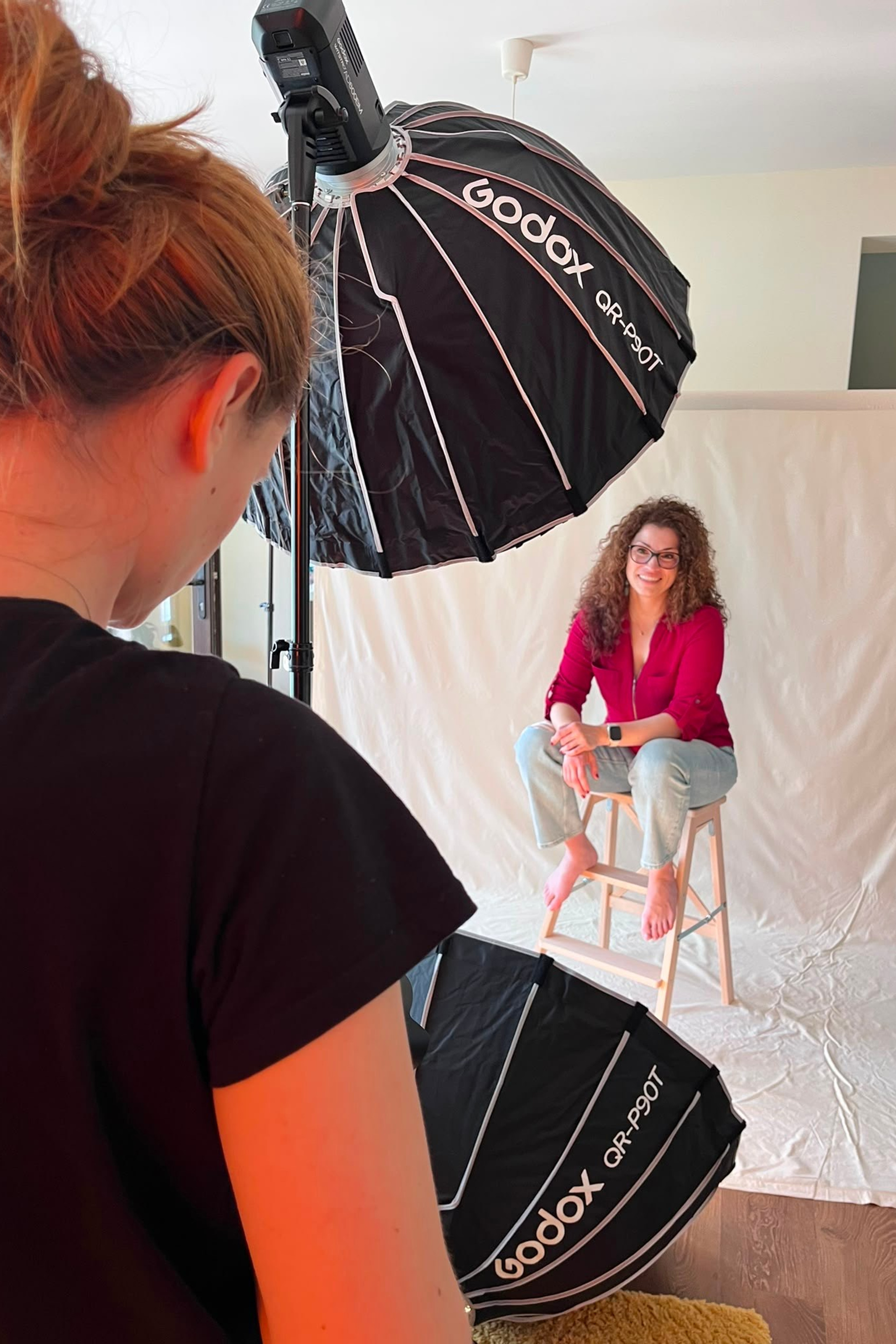
I came home and I put everything I knew together: the camera, the training, the understanding of what it means to be witnessed without judgment. I created sessions designed to offer women exactly this — a space to be seen, gently and safely. To show up as they are. To receive the image of themselves with warmth rather than criticism.
After the session, you will have photographs — yes. But more than that, you will have proof. Proof of who you are right now, at this point in your journey. Proof that is worth celebrating.
When you’re ready to take off the cloak, I’m here to witness you. I promise to take good care of it — alongside all the other cloaks that have fallen in front of my camera.